Most POD sellers obsess over designs. They spend hours picking fonts, tweaking colors, researching niches. Then a customer places an order and they have zero idea what happens next.
That's a problem. Print on demand fulfillment is where your reputation gets built or destroyed. A killer design means nothing if it shows up two weeks late with cracked ink and a generic poly mailer. Your customer doesn't blame the print provider. They blame you.
We've processed millions of orders through our sellers' accounts. We know exactly what happens between "Order Confirmed" and "Delivered," and more importantly, we know which providers actually deliver on their promises.
What Is Print on Demand Fulfillment?
Think of it as outsourcing your entire supply chain to a partner you never meet in person. You provide the designs and listings. The fulfillment provider handles production, quality control, packaging, and shipping. Your customer gets a product. You get paid the margin.
The "on demand" part is critical. Nothing is printed until someone buys it. No warehouse full of unsold inventory. No upfront production costs. No minimum order quantities. This is what makes POD fundamentally different from traditional ecommerce, and it's why the pod fulfillment process has attracted millions of sellers worldwide.
The Print on Demand Order Flow: What Actually Happens
Here's the exact sequence that fires every time a customer hits "Buy Now" on one of your POD products:
- Customer places order on the marketplace or your storefront (Amazon, Etsy, Shopify, MyDesigns)
- Order routes to fulfillment provider automatically through API integration or the platform's native system
- Production queue picks up the order, typically within 1-4 hours during business days
- Printing begins using DTG (direct-to-garment), sublimation, or screen printing depending on the product
- Quality check occurs post-print for color accuracy, alignment, and defects
- Packaging with either branded or generic packaging depending on provider and plan
- Shipping label generated and tracking number created
- Carrier pickup by USPS, UPS, FedEx, DHL, or regional carriers
- Tracking syncs back to the selling platform and customer gets notified
- Delivery to the customer's doorstep
The entire process from order placement to carrier pickup takes 2-5 business days with most providers. That's the production window. Shipping time is separate and depends on the carrier, destination, and service level.
Print on Demand Fulfillment Speeds Compared: Who Actually Delivers
Not all fulfillment providers are created equal. We've tracked thousands of orders across every major provider, and the differences are stark.
| Provider | Production Time | Domestic Shipping | International Shipping | Total (Domestic) |
|---|---|---|---|---|
| Amazon Merch | 1-2 days | 2-3 days | N/A (US only for most) | 3-5 days |
| Printful | 2-5 days | 3-7 days | 7-20 days | 5-12 days |
| Printify | 2-7 days | 3-8 days | 8-25 days | 5-15 days |
| Gelato | 2-4 days | 3-6 days | 5-12 days | 5-10 days |
| Gooten | 3-6 days | 4-8 days | 10-25 days | 7-14 days |
Amazon Merch wins on speed by a wide margin for US orders because it uses Amazon's own fulfillment infrastructure. Products sit closer to the buyer thanks to Amazon's distributed warehouse network. The tradeoff? You get zero branding control, no custom packaging, and Amazon owns the entire customer relationship.
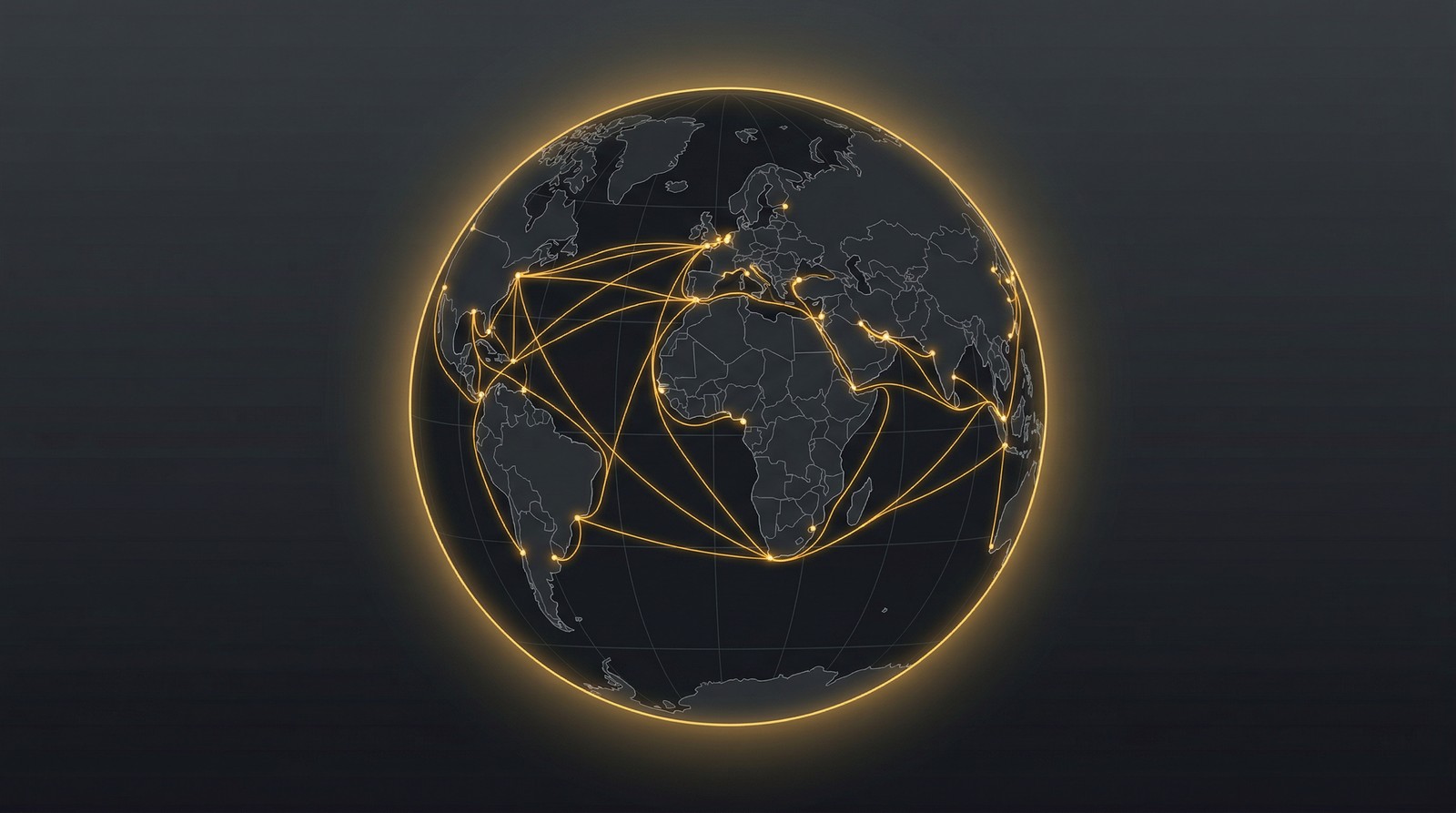
Gelato is the dark horse for international sellers. Their 130+ production partners across 32 countries mean your orders print locally instead of shipping across oceans. A customer in Germany gets their shirt from a German facility, not one in North Carolina.
Want to do this yourself? Merch Titans automates the entire process.
Why Print Quality Varies (And How to Control It)
Here's something most POD guides won't tell you: print quality is not consistent, even within the same provider.
Printify operates as a marketplace connecting you to 80+ different print facilities. Order the same design on the same product from Printify twice, and it might get routed to two different printers with completely different equipment, ink quality, and quality control standards.
We've seen this firsthand. A seller reached out after getting five-star reviews on a design for months, then suddenly got hit with three one-star reviews in a week. Same design, same product. Different print facility picked up the orders.
How to Minimize Quality Issues
- Lock in your print provider on Printify. Don't use auto-routing. Manually select the facility with the best reviews for each product.
- Order samples before listing anything. $15 spent on a sample saves you from $150 in refunds and tanked reviews.
- Use DTG over sublimation for cotton products. DTG produces sharper, more durable prints on natural fibers.
- Design for print constraints. Keep critical elements away from edges. Use high-contrast colors. Design at 300 DPI minimum.
Printful has the most consistent quality because they own and operate their own facilities. No third-party printer lottery. You pay more per unit, but the quality control is tighter.
Print on Demand Shipping: The Part Sellers Ignore
Production speed gets all the attention. Shipping is where orders actually die.
A 2-day production time means nothing if the package sits in USPS limbo for 10 days. Your customer doesn't care about production time versus shipping time. They care about total days from click to doorstep.
Domestic Shipping Strategies
For US-based sellers targeting US customers, here's the hierarchy:
- Amazon Merch handles everything through Prime and standard Amazon shipping. Fastest, period.
- Printful's US facilities (Charlotte, Dallas, Los Angeles) provide 3-5 day shipping to most US addresses
- Printify + specific US-based providers can match Printful speeds, but you need to manually select the right facility
International Print on Demand Shipping
International is where most sellers bleed money and reviews. A customer in Australia ordering from a US-based print facility will wait 15-25 days. That's unacceptable in 2026.
The fix: use providers with global fulfillment networks.
Gelato prints in 32 countries. Printful has facilities in the US, Mexico, Canada, Europe, and Australia. When you connect these providers to your storefront through MyDesigns, you can route orders to the nearest facility automatically.
The Controversial Truth About POD Fulfillment Costs
Most "print on demand guides" frame fulfillment as free because you don't pay upfront. That's misleading. You pay for fulfillment on every single order. It's just buried in the product cost.
Here's a real breakdown for a standard Gildan 64000 unisex t-shirt:
- Printful: $9.85 base + $4.49 shipping = $14.34 total fulfillment cost
- Printify (Monster Digital): $6.28 base + $4.79 shipping = $11.07 total fulfillment cost
- Gelato: $8.50 base + $3.99 shipping = $12.49 total fulfillment cost
- Amazon Merch: $0 (Amazon absorbs production and shipping, pays you a royalty of ~$2.50-$5.50 per sale)
The Amazon model looks cheapest until you realize you're giving up 70-85% of the retail price as Amazon's cut. On a $19.99 shirt, Amazon keeps roughly $14-$17. With Printify, you keep everything above $11.07.
This is why serious sellers use multiple fulfillment providers. Amazon for volume and speed. Self-fulfilled through Printify or Printful for margin. And MyDesigns for maximum control over pricing, branding, and the customer experience.
Manage Listings Across Every Fulfillment Provider
Merch Titans gives you the tools to publish, track, and optimize across Amazon, Etsy, and every major POD platform from one dashboard.
Get Started Today →14-day money-back guarantee · Used by 150,000+ sellers since 2018
How Automation Tools Speed Up Print on Demand Fulfillment
Here's where most sellers hit a ceiling. You've got 50 designs. You want them on Amazon Merch, Printify, and your own Shopify store through Printful. That's 150 listings to create, each with different title formats, tag limits, and description requirements.
Manually? That's a week of copy-paste misery.
Sellers using bulk upload automation publish 100+ listings in the time it takes to do 5 manually. And more listings across more platforms means more fulfillment providers working for you simultaneously.
This is the leverage play. When a customer in London orders from your Etsy shop, the order routes to Printful's UK facility. When someone in Ohio buys from Amazon, Merch handles it. When a customer finds your MyDesigns storefront, you control the entire experience.
The automation layer doesn't just save time on listings. It saves time on:
- Keyword research across platforms using Amazon keyword tools and Etsy keyword research
- Trademark checking before publishing with a trademark checker to avoid takedowns
- Listing optimization across multiple marketplaces simultaneously
- Order tracking across providers from a single view
We built Merch Titans specifically because managing fulfillment across 3-4 providers manually is a full-time job. It shouldn't be.
Handling Returns and Defects in POD Fulfillment
Returns are the tax you pay for selling physical products. In print on demand, they're also the metric that determines whether your accounts survive.
Return Policies by Provider
Amazon Merch: Amazon handles everything. Customers get Amazon's standard 30-day return policy. Returns don't cost you directly, but high return rates flag your account. Amazon's seller documentation covers the specifics.
Printful: Misprints and defects are replaced or refunded at Printful's cost. Buyer's remorse returns? That's on you. Printful recommends sellers create their own return policy. Printful's return guidelines are straightforward.
Printify: Similar to Printful. Defective products get replaced by the print provider. You set your own policy for non-defect returns. The key difference: since Printify uses multiple print providers, you file claims with the specific provider who produced the order.
Gelato: Damaged or defective orders get free reprints. Their quality guarantee covers production issues but not sizing mistakes or buyer's remorse.
Minimizing Return Rates
- Accurate size charts on every listing. Most POD returns are sizing issues, not quality issues.
- High-quality mockups that accurately represent the product. Don't oversaturate colors in mockups - what the customer sees should match what they receive.
- Clear product descriptions mentioning material, fit type, and print placement.
- Sample everything new before scaling. If you wouldn't wear it, don't sell it.
Multi-Provider Fulfillment: The Strategy Nobody Talks About
The sellers making six figures in POD aren't loyal to one provider. They use three or four.
Here's why single-provider loyalty is costing you money:
- Geographic coverage. No single provider has the fastest shipping to every country. Printful dominates US and EU. Gelato wins in Asia-Pacific and Latin America. Amazon crushes domestic US.
- Product range. Printify offers 900+ products through its provider network. Printful offers ~340 but with better quality control. Amazon Merch is limited to their catalog. Spreading across providers means you can offer everything.
- Risk mitigation. When Printful had facility delays during the 2024 holiday rush, sellers who also had Printify and Gelato listings kept fulfilling orders. Single-provider sellers watched their reviews tank.
The challenge is managing this complexity. Different platforms, different listing formats, different keyword strategies, different analytics.
That's the exact problem Merch Titans was built to solve. One dashboard to manage your designs and listings across every major marketplace. Upload once, publish everywhere, track everything. Your fulfillment providers handle the printing. You handle the strategy.

Optimizing Your Print on Demand Delivery Times
You can't control how fast a printer prints or how fast USPS delivers. But you can control the variables that actually matter.
1. Choose Fulfillment Centers by Customer Location
If 70% of your sales come from the US East Coast, pick providers with East Coast facilities. Printful's Charlotte facility will beat their LA facility on delivery time for New York customers by 2-3 days.
2. Offer Multiple Shipping Tiers
Most providers offer standard and express shipping. Add express as an option on your listings. You'd be surprised how many customers will pay $5-$8 extra for faster delivery, especially for gifts.
3. Set Realistic Processing Times on Marketplaces
Etsy lets you set a processing time. Set it to 3-5 business days for POD products. Setting it to 1 day when your provider takes 3 days to produce is a recipe for "item not shipped" cases.
4. Pre-Build Holiday Inventory
This sounds counterintuitive for print on demand. But some providers (Printful, Gooten) let you place bulk orders at a discount and warehouse them. For your best-sellers during Q4, pre-printing your top 20 designs eliminates production time entirely during the holiday rush.
5. Monitor Provider Performance Weekly
Production times drift. A provider averaging 2 days in March might average 4 days in December. Check your order timelines weekly and be ready to shift volume to faster providers.
Merch Titans Automation
Stop Juggling Fulfillment Providers Manually
Merch Titans automates your listing management across every marketplace so you can focus on scaling, not spreadsheets. Plans start at $29.99/mo (billed annually).
14-day money-back guarantee · No contracts · Cancel anytime
The sellers who win at print on demand fulfillment aren't the ones with the best designs. They're the ones who treat fulfillment as a competitive advantage. Pick the right providers for your markets. Automate the listing grind. Track everything. Then let the printers do what they do while you focus on what actually moves the needle - more designs, better keywords, wider reach.
Frequently Asked Questions
How long does print on demand fulfillment take?
Most print on demand orders are produced in 2-5 business days and shipped in 3-8 business days domestically. Total delivery time from order to doorstep ranges from 5-12 business days for domestic orders and 10-25 business days for international shipments, depending on the fulfillment provider and product type.
Which print on demand provider has the fastest fulfillment?
Amazon Merch on Demand offers the fastest fulfillment for US customers, with most orders produced and delivered within 3-5 business days through Amazon's logistics network. Printful and Gelato also maintain strong fulfillment speeds with distributed global facilities, averaging 5-8 business days domestically.
Can you track print on demand orders after fulfillment?
All major print on demand providers supply tracking numbers once an order ships. Printful, Printify, and Gelato send tracking information directly to your connected store, which then forwards it to your customer automatically. Amazon Merch handles tracking entirely through Amazon's buyer experience.
How do returns work with print on demand fulfillment?
Return policies vary by provider. Amazon Merch handles all returns through Amazon's standard return process at no cost to the seller. With Printful and Printify, you typically set your own return policy, and defective or misprinted items are replaced free of charge by the provider.
Does print on demand fulfillment quality vary between providers?
Print quality differs significantly between providers and even between print facilities within the same network. Printful consistently ranks highest for print quality and color accuracy using direct-to-garment printing. Printify quality varies because it operates a marketplace of 80+ print providers, so results depend on which facility handles your order.