Every POD seller starts with t-shirts. Most never leave. That is a mistake costing thousands in unrealized revenue.
The accessory category in print on demand is where smart sellers are quietly building higher-margin businesses while everyone else fights over the same saturated t-shirt keywords. We have watched sellers double their per-design revenue simply by putting their existing artwork on products beyond apparel.
What Are Print on Demand Accessories?
The print on demand industry started with t-shirts and gradually expanded into everything you can print on. Accessories now represent one of the fastest-growing segments because they solve three problems sellers face with apparel: sizing issues, thin margins, and oversaturation.
Unlike a t-shirt where size selection creates friction and return risk, most accessories are one-size or have minimal variations. That translates to fewer customer complaints, lower return rates, and simpler inventory management.
The Top Print on Demand Accessories That Actually Sell
Not all accessories are created equal. Here are the categories where we see consistent sales and healthy margins across platforms.
Tote Bags
Tote bags are the single best entry point into POD accessories. Production costs hover around $8-$12, retail prices reach $25-$35, and the all-over-print surface area gives designs maximum visual impact.
Tote bags also tap into the sustainability trend. Reusable shopping bags are not a fad anymore. They are a lifestyle product, and buyers will pay premium prices for designs that express their personality.
Best sellers: Minimalist quotes, botanical patterns, book lover themes, pet breed illustrations.
Phone Cases
Phone cases offer excellent margins because the perceived value far exceeds production costs. A case that costs $4-$6 to produce sells comfortably at $20-$30.
The key challenge with phone cases is model fragmentation. You need to offer multiple device models, which means managing more SKUs. Platforms like Printify and MyDesigns handle model selection automatically, but you still need designs that look good on different case shapes.
Best sellers: Abstract art, photography-based designs, pop culture references (check trademarks first), aesthetic patterns.
Want to do this yourself? Merch Titans automates the entire process.
Custom Hats and Caps
Embroidered and printed hats occupy a sweet spot between fashion accessory and practical item. The hat market is less saturated than any apparel category in POD, and buyers tend to be less price-sensitive.
Production costs are higher ($10-$18) but retail prices scale accordingly ($28-$45). Embroidered hats in particular carry a premium feel that justifies higher pricing.
Best sellers: Simple logos, single-word designs, outdoor and nature themes, sports and hobby niches.
Jewelry
Print on demand jewelry, particularly wooden pendants, acrylic earrings, and charm bracelets, is a rapidly growing niche. Products like custom photo pendants and engraved pieces sell particularly well during gift-giving seasons.
Best sellers: Pet memorial pieces, zodiac designs, initial/name jewelry, inspirational quotes.
Stickers
Do not underestimate stickers. They are low-cost impulse purchases with incredible repeat buyer rates. One customer might buy 5-10 stickers in a single order. Production costs are negligible, and margins can exceed 70%.
Best sellers: Die-cut vinyl stickers, aesthetic sticker packs, hobby-specific designs, laptop and water bottle stickers.
Mugs and Drinkware
Mugs remain a staple POD accessory. The appeal is obvious - everyone uses them, they make perfect gifts, and the 11oz white ceramic mug is practically a printing standard at this point.
For more on this category, check our complete print on demand mugs guide.
Notebooks and Journals
Custom printed notebooks and journals tap into the stationery and planning community, which is passionate and willing to spend. These products work especially well for niche audiences like teachers, writers, and students.
See our dedicated print on demand notebooks guide for the full breakdown.
Why Accessories Beat T-Shirts for Profit Margins
The numbers tell a clear story.
| Product | Avg Production Cost | Avg Retail Price | Margin | Competition Level |
|---|---|---|---|---|
| T-Shirt | $8-$12 | $18-$25 | 30-45% | Very High |
| Tote Bag | $8-$12 | $25-$35 | 45-60% | Low |
| Phone Case | $4-$6 | $20-$30 | 60-75% | Medium |
| Hat | $10-$18 | $28-$45 | 40-55% | Low |
| Stickers | $0.50-$2 | $3-$5 | 65-80% | Medium |
| Mug | $5-$8 | $15-$22 | 45-55% | Medium |
Three factors drive the margin advantage:
- Less price competition. T-shirt buyers compare prices across dozens of sellers. Accessory buyers have fewer options, which means less downward pressure on pricing.
- Higher perceived value. A printed tote bag or phone case feels more like a "product" than a "commodity" to buyers, justifying premium pricing.
- Gift market access. Accessories dominate the gift-giving category, and gift buyers are less price-sensitive than self-purchasers.
Design Strategies That Work for Accessories
Here is where most t-shirt sellers make their biggest mistake with accessories. The designs that crush it on t-shirts often fail on accessories because the product form factor is completely different.
Surface Patterns Over Single Graphics
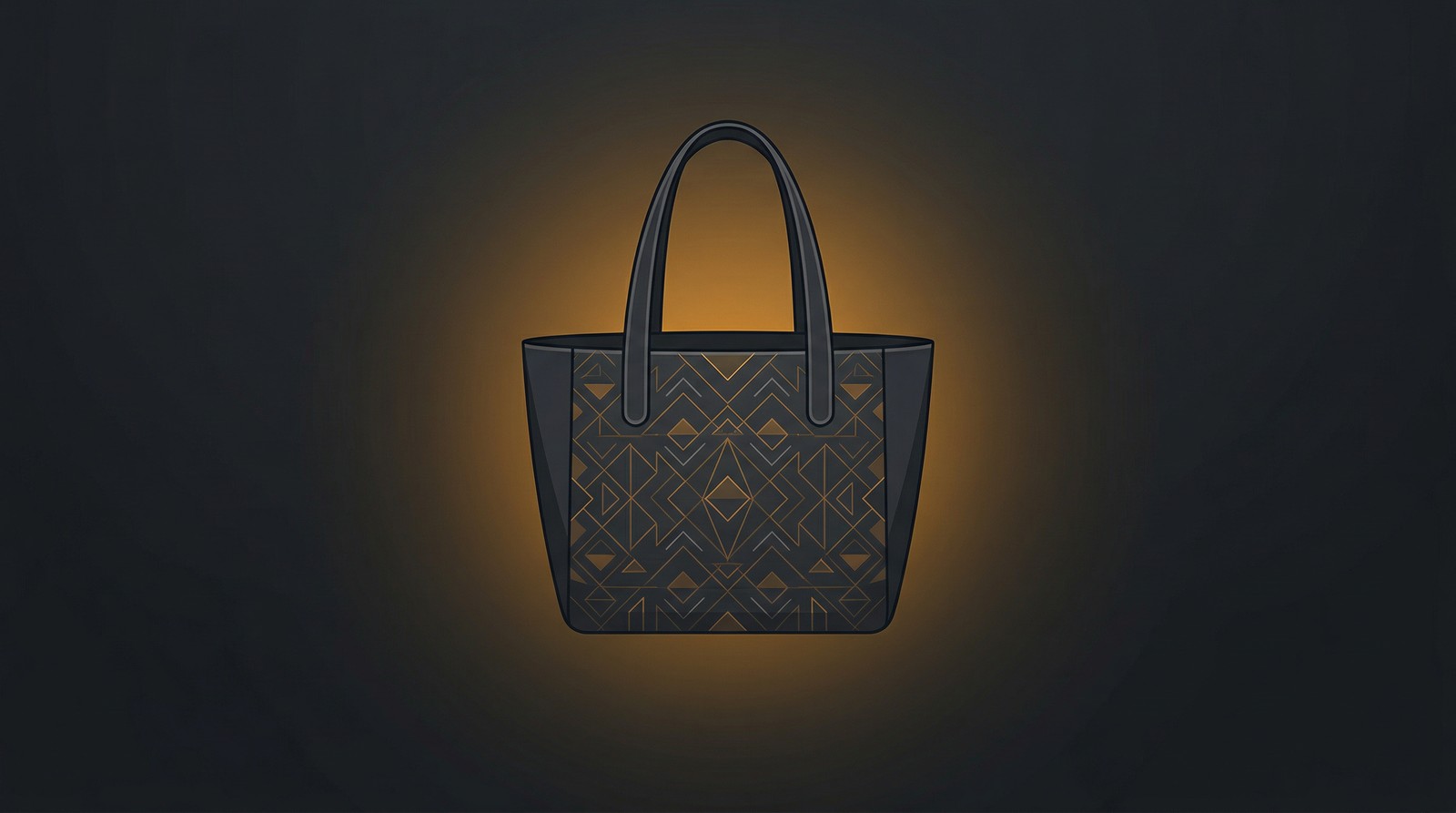
T-shirts reward bold, centered graphic designs. Accessories, especially bags and phone cases, reward repeating surface patterns that wrap around the entire product. Think botanical prints, geometric patterns, and seamless tile designs rather than a single illustration plopped in the center.
Minimalism Wins
On accessories, less is more. A tote bag with a clean typographic quote and plenty of white space outsells a busy, detailed illustration nine times out of ten. The product itself becomes part of the design aesthetic.
Match the Product Use Case
Think about where and how each accessory gets used. Phone cases are personal and always visible. Tote bags get carried in public. Mugs sit on office desks. Design for the context, not just the canvas.
A motivational quote mug works because people see it every morning. The same quote on a phone case might feel random. A nature photography phone case works because it is always on display. The same photo on a notebook cover might get lost.
How to Add Accessories to Your POD Business
Step 1: Audit Your Existing Designs
Go through your current design catalog and identify which pieces work for accessories. Bold typography, patterns, and simple illustrations translate best. Detailed, complex graphics with many colors may need simplification.
Step 2: Choose Your Platforms
Not every POD platform offers the same accessory range. Here is where to sell what:
- MyDesigns - Full control over pricing and margins for all product types including digital products
- Redbubble - Widest auto-populated accessory range (60+ products from one upload)
- Etsy + Printify - Custom storefront with broad print provider network
- Amazon Merch - Limited accessories (PopSockets, tote bags) but massive traffic
Use Merch Titans to manage listings across platforms without the manual upload grind. Our bulk publishing tools handle the cross-platform distribution so you focus on designing.
Step 3: Optimize Listings for Accessory Searches
Accessory keywords differ from apparel keywords. People search "cute tote bag for teacher" not "teacher tote bag print on demand." Think like the buyer, not the seller.
Use our Amazon keyword research and Etsy keyword research tools to find high-intent accessory keywords in your niche.
Find High-Profit Accessory Niches
Merch Titans keyword research tools show you exactly what accessory buyers are searching for, with volume and competition data.
Get Started Today →14-day money-back guarantee · Used by 150,000+ sellers since 2018
Step 4: Price for the Margin Advantage
Since accessories face less price competition, you have room to price higher than you think. Test your pricing at 50-60% margin first. If sales hold steady, you have found your floor. If conversion drops, adjust down in 10% increments.
The sellers making the most from accessories are not the cheapest. They are the ones with the best product photography, the most relevant niches, and the strongest brand presence.
Niche Accessory Ideas That Print Money
Here are niche directions we have seen generate consistent accessory sales:
- Pet breed specific - Dog breed tote bags, cat lover phone cases, pet memorial jewelry
- Teacher and educator - Classroom quote mugs, subject-specific notebooks, teacher appreciation stickers
- Book lover - Literary quote tote bags, reading-themed phone cases, book club stickers
- Outdoor and hiking - National park stickers, hiking trail hats, camping mugs
- Wellness and yoga - Meditation journal notebooks, chakra phone cases, mindfulness quote tote bags
- Occupation pride - Nurse, firefighter, engineer-specific accessories across all product types
The pattern: pick a passionate community with disposable income and design accessories that signal membership in that community.

Common Mistakes When Selling POD Accessories
Ignoring Product Mockups
Accessories live and die by their mockups. A flat, uninspiring product image kills conversion rates even on the best design. Invest time in creating lifestyle mockups that show the product in context - a tote bag at a farmer's market, a phone case on a desk, a mug next to a laptop.
Treating Every Product the Same
Do not slap a t-shirt design on a phone case and call it done. Each product has a different print area, different viewing distance, and different buyer expectation. Adapt your designs for each format.
Skipping Seasonal Planning
Accessories spike hard during gift-giving seasons. Mother's Day, Father's Day, Christmas, Valentine's Day, and graduation drive massive accessory sales. Plan your catalog 6-8 weeks ahead of these events. See our seasonal guides like Mother's Day designs for timing strategies.
Neglecting Quality Samples
Order samples of your best-selling accessories before scaling. Print quality, color accuracy, and material feel vary between suppliers. One bad review about quality can tank an accessory listing faster than a t-shirt listing because accessory buyers have higher expectations.
Merch Titans Automation
Scale Your Accessories Across Every Platform
Merch Titans bulk publishing and keyword tools turn one design into revenue on Amazon, Etsy, Redbubble, and your own storefront.
14-day money-back guarantee · No contracts · Cancel anytime
The sellers who break past the t-shirt ceiling are the ones who realize that the same creative energy they pour into apparel can generate twice the margin on accessories. Your designs already exist. The opportunity is sitting right there. Put them on products where the math actually works in your favor.
Frequently Asked Questions
What are the most profitable print on demand accessories?
Tote bags, phone cases, and jewelry consistently rank as the most profitable print on demand accessories, with profit margins ranging from 40% to 65% depending on the platform and supplier. Tote bags in particular offer the best margin-to-effort ratio because production costs are low and retail prices can reach $25-$35.
Can you sell accessories on Amazon Merch on Demand?
Amazon Merch on Demand supports select accessories including PopSockets phone grips and tote bags alongside their core apparel products. The product type availability expands as you move up through tiers, with higher-tier sellers gaining access to more accessory categories.
Which print on demand platform is best for accessories?
MyDesigns offers the best overall platform for selling print on demand accessories because sellers control pricing, keep customer data, and can sell both physical POD products and digital design files from one storefront. For marketplace exposure, Redbubble and Etsy with Printify integration offer the widest accessory catalogs.
Do print on demand accessories sell as well as t-shirts?
Print on demand accessories generate fewer total sales than t-shirts but often produce higher profit per order due to better margins and less price competition. Accessories also attract different buyer demographics, including gift shoppers and home decor buyers who spend more per purchase on average.
What designs work best for print on demand accessories?
Minimalist patterns, bold typography, repeating surface patterns, and lifestyle-oriented designs perform best on accessories. Unlike t-shirts where graphic-heavy designs dominate, accessories favor cleaner aesthetics that complement the product form factor rather than competing with it.