Interior designers spend years developing an eye for color, proportion, pattern, and composition. Most of them monetize that expertise exactly once - in client billing. But those same skills that clients pay thousands to access are directly transferable to a print on demand product catalog that generates income while you sleep.
Here's the reality: a generic seller competing in POD home decor is operating on vibes and hoping something sticks. An interior designer competing in the same space brings credentials, a distinctive aesthetic, and the ability to create products that feel genuinely designed rather than assembled. That's a meaningful competitive advantage.
What Is Print on Demand for Interior Designers?
The mechanics are simple. You create design files - patterns, artwork, typography - upload them to a POD platform, set your retail price, and when someone orders, the platform's supplier prints and ships directly to your customer. You collect the margin between your retail price and the base production cost.
For interior designers, the application is broader than most think. Beyond simple art prints, you can apply your designs to:
- Throw pillows and pillow covers
- Shower curtains and bath accessories
- Canvas prints in multiple sizes
- Framed art prints
- Wall tapestries
- Tote bags and market bags
- Desk accessories and stationery
- Custom fabric by the yard (design file sales)
The product range means your design aesthetic can touch every room in a client's home.
Why Interior Designers Have an Unfair Advantage in POD
Most POD sellers are creating designs without formal training. They're working in Canva, watching YouTube tutorials, and competing on quantity. Your competition isn't other designers - it's people who have been designing for 6 months.
Interior designers bring three things to this space that are genuinely rare:
Compositional Expertise
You understand how patterns scale, how colors interact across materials, and how a design looks in context rather than just on screen. A throw pillow pattern that works at the scale of the pillow, with colors that actually work in a room rather than just looking good in a digital preview - that's trained expertise most POD sellers don't have.
Credentialed Positioning
"Designed by [Your Name], NCIDQ Certified Interior Designer" is a product differentiator. Buyers who care about their home aesthetics - and they're the buyers who pay premium prices - respond to credentials. You can position your POD products at the top of your market's price range and justify it.
Client Ecosystem
Your existing client base is your first customer cohort. They already trust your aesthetic judgment. Offering them the option to purchase prints or home accessories from your curated product line is a natural extension of the client relationship - not a sales pitch.
Best Print on Demand Products for Interior Designers
Not all POD products are equally suited to design expertise. Here's where the opportunity is strongest:
Art Prints and Canvas Prints
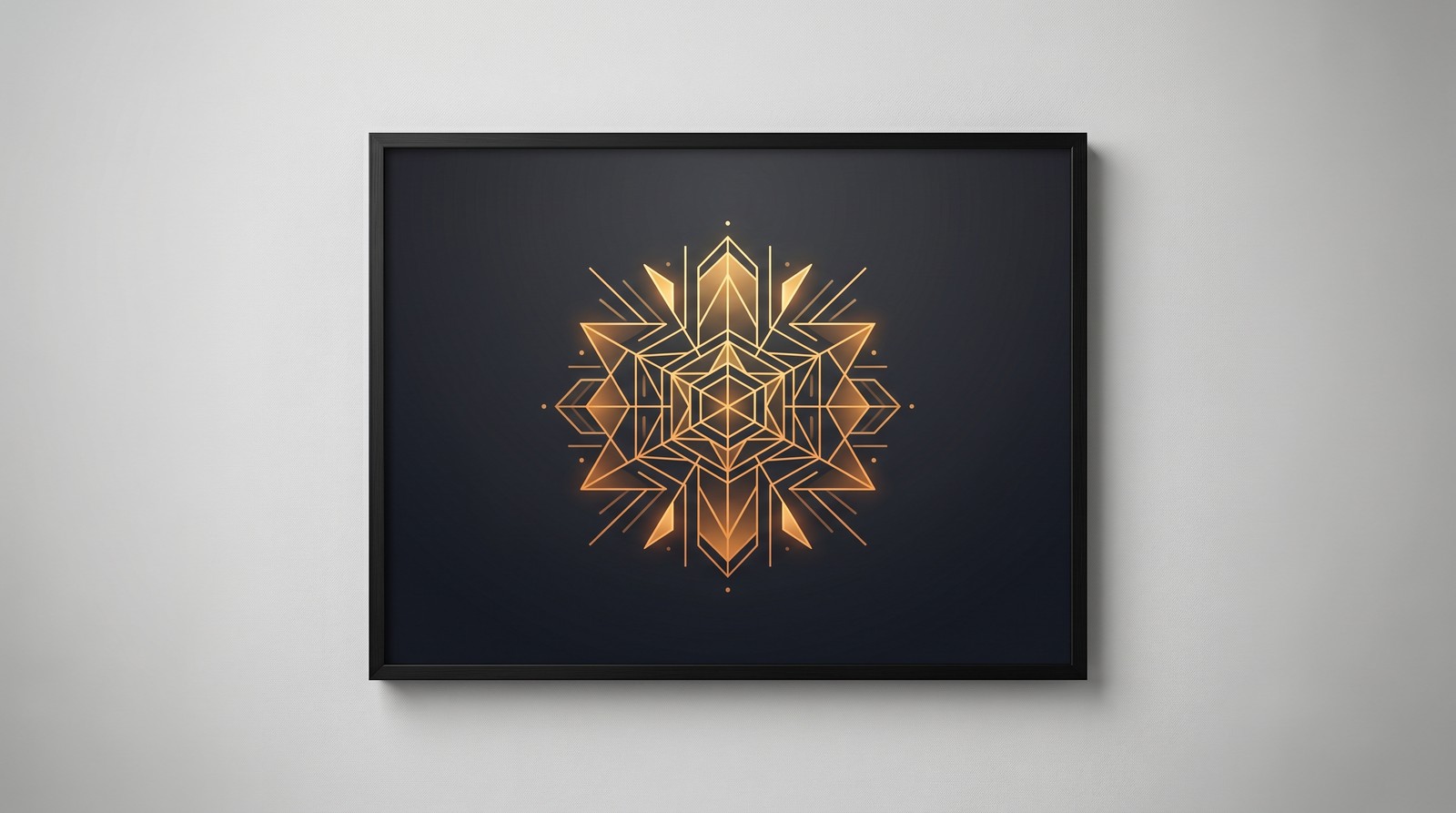
The most direct expression of design capability. Original artwork, graphic prints, photography with a design edit, and pattern-based prints all work. Size variety matters: offer the same design in 5x7", 8x10", 11x14", 16x20", and 24x36" to capture both budget buyers and statement piece shoppers.
Framing upsell opportunity: Many POD suppliers offer framed prints with custom frame color options. Adding a framed version at 40-60% higher price captures buyers who want a complete wall-ready solution.
Throw Pillows and Pillow Covers
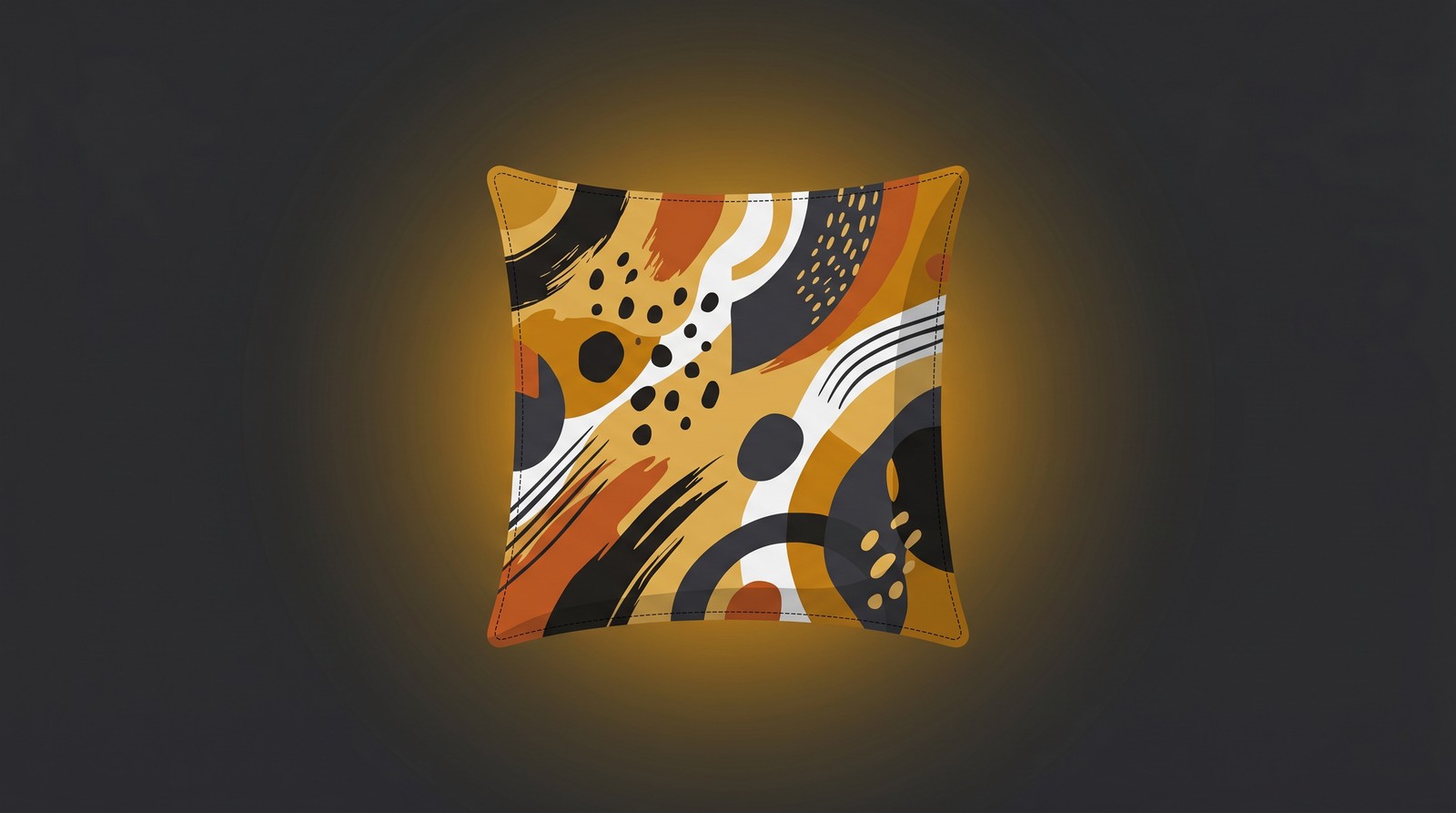
Pillows are the most repeated interior design recommendation for a reason - they're high-impact, low-commitment home updates. Pillow cover POD has excellent margins ($8-15 base cost, $25-45 retail) and appeals directly to the buyers who already consult designers for "easy wins."
Pattern-based designs - geometric repeats, botanical patterns, abstract marks - translate particularly well to pillow format. These feel curated rather than novelty.
Shower Curtains
Underutilized by most POD sellers but perfectly suited to designers. A well-designed shower curtain transforms a bathroom - this is literal interior design advice applied to a product. Buyers searching for "designer shower curtain" are already thinking like a design client. Base costs are $18-25, with retail pricing of $50-90+ supported by the quality positioning.
Wallpaper (Digital Files)
This is where interior designers have an almost unique competitive advantage. Digital wallpaper designs sold as printable or uploadable files generate pure margin income - buyers take your design to a local printer or upload to a print service. A wallpaper repeat pattern that took you 4-6 hours to design can sell hundreds of times at $20-50 per download.
MyDesigns (mydesigns.io) supports digital product sales alongside physical POD products, making it the natural home for a designer selling both printed goods and design files.
Want to do this yourself? Merch Titans automates the entire process.
Pricing Your Interior Design POD Products
This is where most designers undersell themselves. Generic sellers price based on production cost plus a small markup. Interior designers should price based on positioning and design value.
A hand-illustrated botanical print from an interior designer is not competing with a $15 print from a generic POD account. It's competing with the $95 print from the design boutique. Price accordingly.
Recommended pricing tiers for designer-positioned POD products:
- Art print 5x7": $18-28
- Art print 8x10": $24-38
- Art print 11x14": $35-55
- Art print 16x20": $55-85
- Framed print (any size): +40-60% premium
- Canvas print 16x20": $65-110
- Throw pillow cover 18x18": $28-45
- Shower curtain: $55-90
- Digital design file: $15-45 (pure margin)
Don't let production cost anchor your pricing. Let your aesthetic quality and positioning anchor it instead.
Building Your Interior Design POD Catalog
The catalog-building approach that works for designers:
Start With Your Existing Portfolio
Review your current design work. What patterns, color palettes, and motifs appear in your client work? Start there - you've already validated these aesthetics with paying clients. Adapting existing work for print products is faster than creating from scratch.
Create Design Families
Don't create isolated designs. Create design families - a cohesive collection of 5-8 related designs that work together. "The Hudson Collection" - a set of geometric prints in a consistent palette - can be applied across 8 products (various print sizes, pillows, shower curtain) and sold as a coordinating room set.
Coordinating room sets have higher average order values because buyers who want the pillow also want the art print. Bundle the collection and price it below buying each piece individually.
Document Your Design Process
Interior design clients trust expertise they can see. Share your design process - sketches, color testing, the story behind a pattern's inspiration - as content that builds authority and drives traffic to your products. Buyers who've followed your design thinking for months before purchasing are high-conversion, high-loyalty customers.
The Passive Income Architecture for Interior Designers
Here's the income model worth building:
Layer 1: Physical POD Products
- 50+ products on MyDesigns, Etsy, or Society6
- Mix of print sizes, pillows, and home accessories
- Aim for $800-2,500/month at steady state
Layer 2: Digital Design Files
- Pattern files, wallpaper designs, printable art
- Sold through MyDesigns or Etsy digital downloads
- 100% margin, compound over time
- Aim for $300-1,000/month at steady state
Layer 3: Client Upsell
- Offer clients the option to purchase products from your line
- Curated selection recommendations for their specific project
- Natural, non-pushy conversion from the trust you've already built
Layer 4: Trade/Wholesale
- Once volume and credentials are established, approach boutique retailers and interior design trade shows
- Wholesale minimums, much higher volumes
Most designers stop at Layer 1. Layers 2 and 3 require almost no additional time investment once established.
Merch Titans Automation
Turn Your Design Portfolio Into Passive Income
Start selling custom home decor products today without managing inventory, production, or shipping.
14-day money-back guarantee · No contracts · Cancel anytime
Managing Your POD Business Without It Becoming a Second Job
The risk for busy designers: the POD side business starts eating hours you don't have. Here's how to avoid that.
Automate the management work. Use tools like Merch Titans to handle bulk uploads and multi-platform listing management. Spending 20 minutes a week on your POD catalog is sustainable. Spending 2 hours is not.
Batch your design creation. Dedicate one focused session per month to creating new designs rather than adding products ad hoc. Four hours of focused design work creates 8-12 new products that run passively for months.
Use keyword research tools. The Etsy keyword research tool tells you exactly how buyers search for home decor products in your aesthetic category. "Japandi wall art" and "modern botanical print" are real search queries with real buyer intent - knowing them lets you title your products correctly from day one.
Track what sells, double down there. After 90 days, look at your best sellers. Invest design time proportionally. A botanical pattern that sells 15 units a month gets 3 more variations. A pattern that sells 1 unit gets retired.
Getting Started This Week
Practical first steps for interior designers entering the POD space:
- Pick one design family - Choose a pattern, color palette, or illustration style from your existing work
- Create 5-8 variations - Same design family across different colorways or scale variations
- Set up MyDesigns - Upload both physical POD products and a digital file version
- List on Etsy - Add the same designs as Etsy listings through a connected POD supplier
- Write keyword-optimized titles - Use the Etsy keyword research tool to write titles that match how buyers search
- Share the collection - Post to your existing design community and client list
- Review in 30 days - What sold? Create 5-8 more products in that direction
The first 30 days are about data, not revenue. You're learning which of your aesthetics have market demand. Let the results guide the next phase of catalog building.
Interior design POD is not a get-rich-quick play. It's a credibility-to-catalog-to-compound-income play. The designers who approach it systematically build real income over 6-18 months that doesn't require client work to sustain.
That's worth building. And you already have most of what it takes.
For broader POD product strategy, see our guide to the best selling print on demand products. And if you want to understand the broader POD home decor landscape, our print on demand coasters guide covers another strong home decor category.
Frequently Asked Questions
Can interior designers use print on demand to sell home decor?
Interior designers can absolutely use print on demand to sell custom home decor products including art prints, throw pillows, shower curtains, canvas prints, coasters, and wall tapestries - all without holding inventory or managing production.
What print on demand products work best for interior designers?
Art prints, canvas prints, throw pillows, and framed posters are the strongest print on demand products for interior designers because they directly reflect design expertise, command premium pricing based on aesthetic quality, and align with what interior design clients already purchase.
How do interior designers price their print on demand products?
Interior designers should price print on demand products based on their design expertise and aesthetic positioning, not just production cost - art prints from a credentialed designer with a distinctive style can retail at $35-200+ while production costs remain $8-25, supporting exceptional profit margins.
Can interior designers sell design files for print on demand?
Interior designers can sell digital design files - patterns, wallpaper designs, textile repeat patterns, and art prints as instant downloads - which generates 100% margin income since buyers print locally. Platforms like MyDesigns support digital product sales alongside physical POD products.
Do I need a separate store to sell print on demand as an interior designer?
Interior designers can sell print on demand products through existing platforms like Etsy, Society6, or Spoonflower without a separate store, but having a branded storefront through MyDesigns or Shopify gives full control over positioning, pricing, and customer relationships that matter for premium design brands.